
Small Seals That Protect Massive Industrial Systems
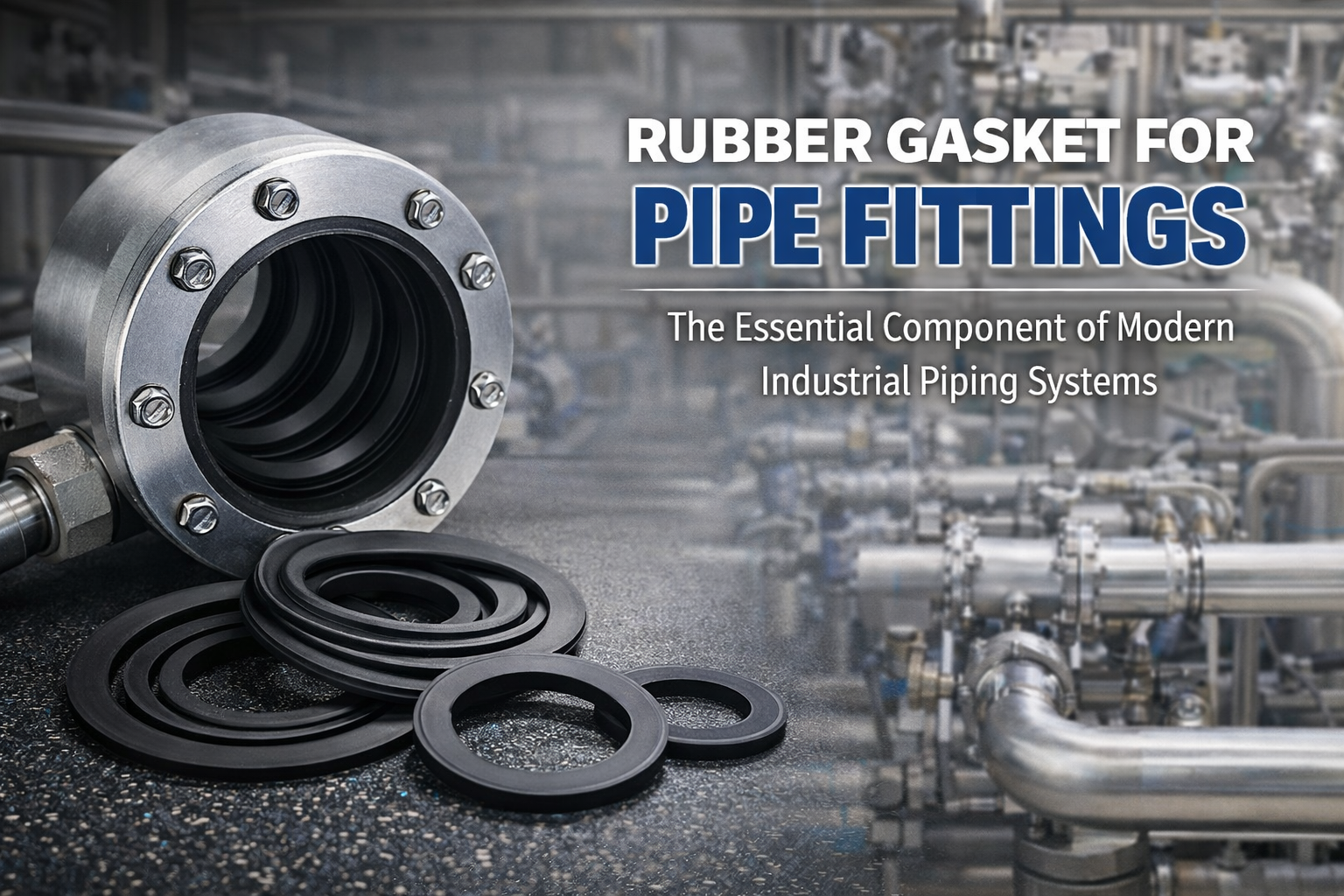
In every industrial piping system—whether transporting liquids, gases, or chemicals—rubber gaskets play a critical role in maintaining efficiency and safety. Though small in size, these components prevent leaks, maintain pressure, and extend the overall lifespan of the system.
For B2B industries, using high-quality rubber gaskets that meet international standards directly impacts system reliability, operational safety, and long-term cost efficiency.
That’s why CS Rubber Group, a specialized manufacturer of industrial rubber parts, focuses on producing rubber gaskets for pipe fittings that deliver durability, precision, and performance for industrial applications worldwide.
What Is a Rubber Gasket and Why Is It Important?
A rubber gasket is a sealing component made from natural or synthetic rubber, placed between pipe joints or flanges to close microscopic gaps on imperfect surfaces. This ensures the piping system remains leak-proof even under pressure or thermal stress.
Key functions of rubber gaskets include:
- Preventing fluid or gas leakage
- Maintaining consistent pressure levels
- Absorbing vibration and impact forces
- Extending the service life of pipes and fittings
- Enhancing overall system safety
Though often overlooked, the rubber gasket is truly the heart of every reliable piping system—ensuring that large industrial networks run smoothly and securely.
Main Types of Rubber Gaskets for Pipe Systems
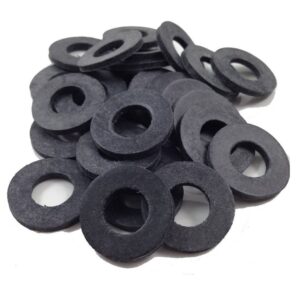
Rubber gaskets come in many forms, each suited to specific industrial conditions and pressure requirements.
1. Flat Gasket
A basic type widely used in low-pressure systems such as water, air, or light chemical applications.
- Advantages: Cost-effective and easy to install
- Applications: Water pipelines, air systems, light chemical processes
2. Ring Gasket
The most common type for pipe fittings, ideal for high-pressure systems requiring strong sealing.
- Advantages: Excellent sealing performance, prevents leakage under high pressure
- Applications: Petrochemical, oil and gas transmission systems
3. Custom-Made Gasket
Designed for specialized systems with unique temperature, pressure, or chemical conditions.
- Advantages: Tailored design ensures exact fit and performance
- Applications: OEM machinery, specialized industrial projects

Rubber Gasket Materials and Their Properties
Choosing the right material is crucial for ensuring gasket performance, chemical resistance, and service life. Below are the most common materials used in the industry:
| Material | Key Properties | Typical Applications |
| NR (Natural Rubber) | Excellent elasticity, cost-effective | General water systems |
| EPDM | Heat- and chemical-resistant | Hot water, steam, food processing |
| NBR | Resistant to oil and fuel | Oil and petrochemical pipelines |
| FKM (Viton) | Withstands aggressive chemicals and high temperatures | Chemical processing, refineries |
| Silicone | Non-toxic, food-grade | Food and pharmaceutical industries |
At CS Rubber Group, every project begins with careful material selection to ensure each gasket matches its intended environment—resulting in superior performance and long service life.
Manufacturing Process of High-Quality Rubber Gaskets
Producing reliable rubber gaskets requires precision at every step, from design to final inspection. The key stages include:
- Design Engineering – Engineers design the gasket according to temperature, pressure, and chemical conditions.
- Material Selection – The best compound is chosen for the intended use.
- Molding / Cutting – Advanced processes such as compression molding or die cutting ensure accuracy.
- Quality Control – Dimensions, hardness, and compression strength are tested under standard conditions.
- Packaging & Delivery – Each gasket is safely packed and delivered ready for installation.
Real-World Industrial Applications
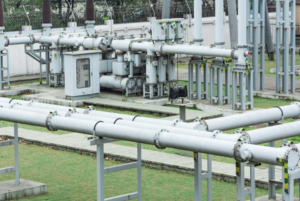
Rubber gaskets are used in countless industrial projects, including:
- Petrochemical plants: Sealing oil and gas pipelines under high pressure
- Food & beverage processing: Maintaining hygiene and preventing contamination
- Power generation: Steam and boiler systems
- Chemical plants: Handling aggressive chemical pipelines
- Public utilities: Water supply and wastewater treatment systems
Case Example:
A client in the energy sector required gaskets capable of withstanding temperatures above 200°C and exposure to corrosive chemicals.
CS Rubber Group developed a customized FKM gasket with reinforced layers, achieving three times longer service life and 30% maintenance cost reduction compared to standard products.
This demonstrates the value of working with a manufacturer experienced in custom industrial gasket design.
How to Select the Right Rubber Gasket
Selecting the correct gasket requires technical consideration in multiple aspects:
- Pressure Rating: The gasket must handle pressures slightly above the system’s maximum operating pressure.
- Temperature Resistance: Material must not degrade under system temperature conditions.
- Chemical Compatibility: Must resist chemical reactions with transported substances.
- Standards Compliance: Verify conformity with industrial standards such as ISO or ASTM.
- Shape and Dimensions: Ensure a perfect fit between pipe flanges or joints.
Maintenance and Best Practices
Proper maintenance extends the life and reliability of rubber gaskets:
- Inspect seals regularly, especially in high-pressure zones.
- Avoid using harsh cleaning agents that can damage rubber.
- Do not reuse old or deformed gaskets.
- Store spare gaskets in a cool, dry, and shaded environment.
- Replace immediately upon signs of deterioration.
CS Rubber Group: Trusted Partner for B2B Industries
- OEM & Customization: Full design flexibility for specialized applications
- Integrated Production: In-house tooling, compounding, and molding facilities
- Certified Quality: Compliance with ISO and ASTM standards
- Scalable Manufacturing: From prototypes to mass production
- Global Export Service: Reliable delivery to clients worldwide
CS Rubber Group serves clients across sectors such as energy, petrochemicals, automotive, and food processing, ensuring every gasket is engineered to meet exact industrial demands.
Future Trends and Innovations
The rubber gasket industry continues to evolve through technological advancement and sustainability initiatives:
- Advanced Compounds: Improved chemical and pressure resistance
- CAD/CAE Design Integration: Enhanced sealing accuracy and performance simulation
- Eco-Friendly Materials: Sustainable and recyclable rubber compounds
- Automation & Smart Manufacturing: Precision and efficiency through digital control
- AI-Based Quality Testing: Real-time defect detection for zero-error production
These trends reflect the global shift toward smarter, safer, and more sustainable industrial systems.
Conclusion
Rubber gaskets for pipe fittings may seem minor, but their role is critical in every industrial piping system. They prevent leaks, maintain pressure, ensure safety, and protect multimillion-dollar infrastructures from costly downtime.
Choosing a manufacturer with expertise and strict quality standards is the key to long-term reliability.
For companies seeking high-performance rubber gaskets for industrial or OEM applications, contact
CS Rubber Group to discuss your project requirements and find tailored sealing solutions that match your system specifications.
